Is art therapy helpful for treating PTSD?
Is art therapy helpful for treating PTSD?
Psychological trauma, unlike physical injury, remains invisible to the eye yet disruptive to daily functioning. It is intrusive triggers, sleep disturbances, and involuntary recall of distressing memories. This pulls them back to the place where they never want to revisit. It causes damage to the brain and body in ways that make it even more challenging to heal. A challenge that is beyond stress, fear, or loss. In the world today, we are well aware of the importance of mental health and how crucial it is to deal with it. Around 3.9% of the world population has had post-traumatic stress disorder (PTSD) at some stage in their lives. And we see that art therapy has been an effective tool for reducing symptoms and supporting treatment. Let's first understand what PTSD is.
PTSD — A Term We Hear Often, But Do We Truly Understand It?
We hear the term often, but what does PTSD, post-traumatic stress disorder, actually mean for the person living it?
According to the World Health Organization, PTSD is a mental health condition that can develop following exposure to an extremely threatening or horrific event (or series of events). Before 2013, PTSD was listed under anxiety disorders. Later, this was shifted into a new category called Trauma- and Stressor-Related Disorders. This further made changes in the diagnosis of ptsd in a person. What we see in PTSD is that it is often difficult to make peace with what happened. And the cause is not always what the world would consider catastrophic; the factors can range from the most extreme experiences to moments that may seem ordinary on the surface but have left a deeper scar.
Common PTSD Treatment?
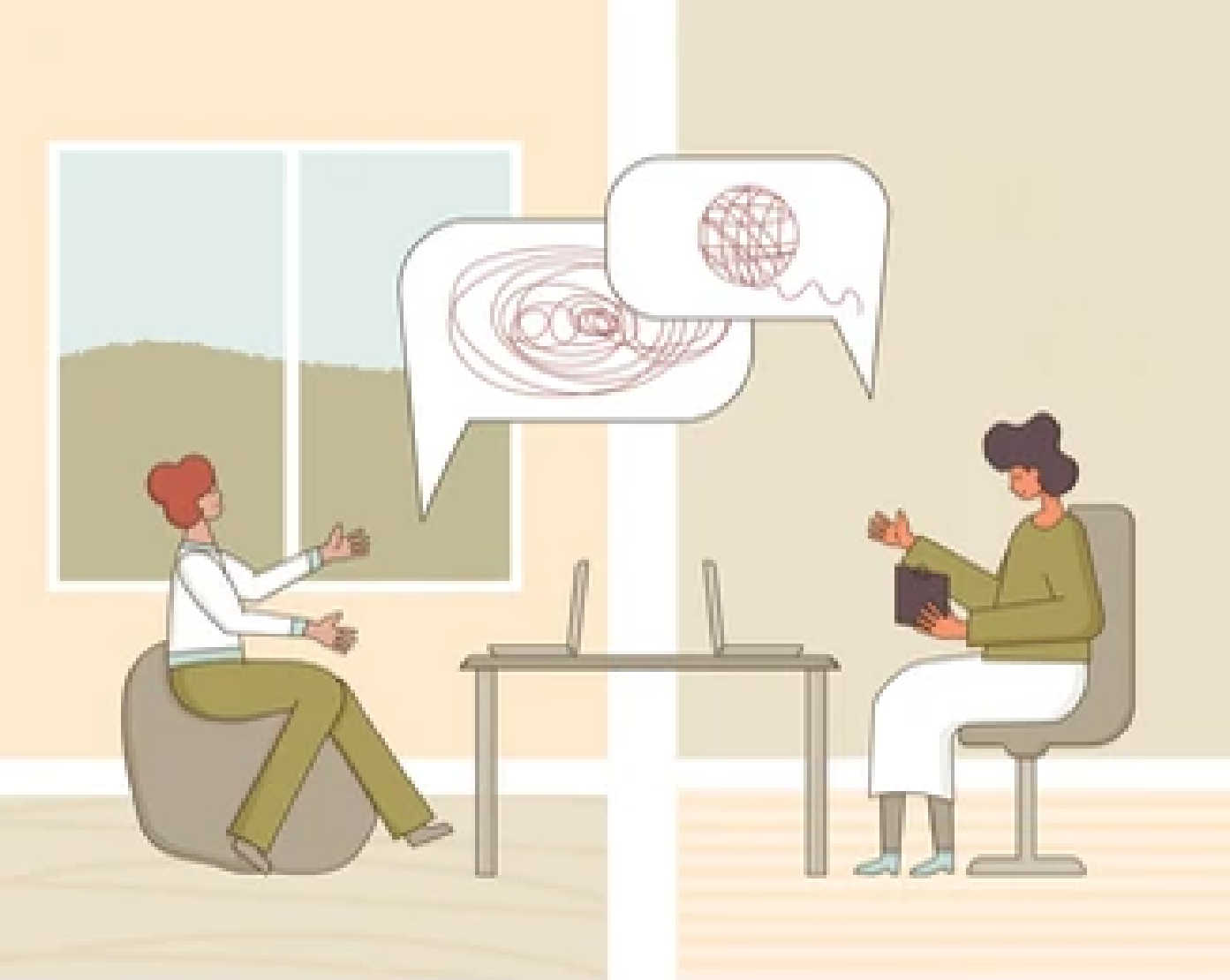
The first line of treatment would be trauma-focused psychotherapy; the updated clinical guidelines recommend therapy over medications for the treatment of PTSD unless there is a need for medication intervention. Cognitive Processing Therapy (CPT), Eye movement desensitization and reprocessing (EMDR), Prolonged Exposure therapy (PE), Cognitive Behavioral Therapy (CBT), Written Exposure Therapy(WET) are some of the common recommended therapies for PTSD.
In severe cases, SSRI and SNRI are used, along with some sleep-focused medications. But this would induce side effects like nausea, fatigue, and sexual dysfunction. It carries a risk of dependency on medications. It also brings about numbness and feeling disconnected by reducing the ability to feel, which becomes a hindrance to processing emotions related to trauma. But it is very important to note that no treatment gives an assurance of well-maintained or regulated PTSD; there is always a scope for intervening with different methods, a combination of treatments to get a better result.
Does art therapy help the person dealing with PTSD?
Art allows one to express emotion without any verbal language. Without having pressure to explain it all. It allows us to hold space for emotions and thoughts gently but effectively.
But can art help someone with PTSD? Is it effective enough to regulate the symptoms and help one to live a better life?
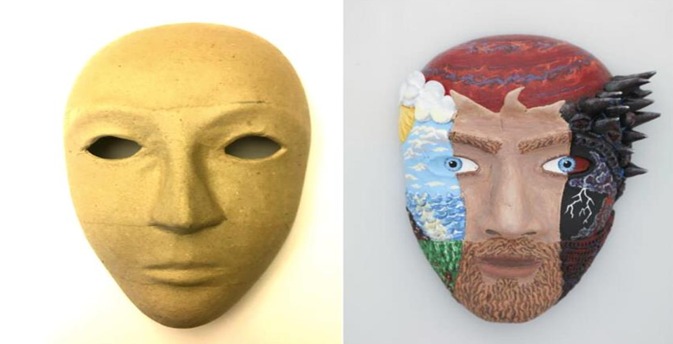
In November 2017, research was conducted in the USA on military servants with PTSD. They found that when an art therapist facilitated the therapy using the process of art, it helped the service members to externalize their PTSD symptoms. The military servant reported that this helped him release his inner thoughts and made him have more positive feelings towards himself.
Yamaguchi also utilized art therapy for the treatment of the atomic bomb survivors. Through art, they were able to work with their fear, anger, and resentment. Initially, they found it difficult to walk through the experience and verbalize it. With further implications of art therapy, they were able to talk about their experience as they progressed in the treatment.
Art therapy has also helped Vietnam veterans in their recovery from post-traumatic stress symptoms. Participants reported being able to address issues in art therapy that they could not bring up anywhere else, and that it helped them both within the sessions and outside with other providers.
Why does art help? What does it do to our body and mind? Creative expression reduces stress hormones and improves mood, as there will be an increase in dopamine and serotonin. It also helps in lowering the blood pressure by its focused, meditative quality of art making. Studies show that expressive art activities can also increase levels of immunoglobulin A.
Today, art therapy is used as a complementary and integrative therapy option for people with PTSD. In the treatments provided for PTSD, the major task will be to help the person process emotional thoughts. As we see in the above-mentioned few instances, sometimes it becomes difficult to put the experience into words, which challenges the person dealing with PTSD. Art therapy can help overcome this by allowing people to express and process emotions and traumatic memories without having a limitation of words.
It is also effective to keep one engaged and can help in reducing pain perception. Through advanced medical technology, we know today that art can change neural pathways in the brain, which in turn helps to bring change in how one thinks and feels. Art therapy can help individuals find coping strategies and an internal strength to begin their healing process without having to relive experiences.
In some cases, finding the root of the particular symptoms can get challenging, and art can walk in to help communicate it. It is a powerful way to safely explore trauma and the experiences surrounding it. As Picasso says, “Art washes away from the soul the dust of everyday life.” There are people around us who use art to deal with stress, trauma, and much more. It provides visibility to suffering. With enough structured studies and findings, it can help people very efficiently to overcome difficulties and lead a better life.
If you are interested in learning art therapy professionally, you can explore structured programs offered by Asha The Hope
References:
(Jones, J. P., Walker, M. S., Drass, J. M., & Kaimal, G., 2018). Art therapy interventions for active duty military service members with post-traumatic stress disorder and traumatic brain injury. International Journal of Art Therapy, 23(2), 70–85. https://doi.org/10.1080/17454832.2017.1388263)
Kaimal, G., Jones, J. P., Dieterich-Hartwell, R., & Wang, X. (2021). Long-term art therapy clinical interventions with military service members with traumatic brain injury and post-traumatic stress: Findings from a mixed methods program evaluation study. Military Psychology, 33(1), 29–40. https://doi.org/10.1080/08995605.2020.1842639
Schrader, C., & Ross, A. (2021). A Review of PTSD and Current Treatment Strategies. Missouri medicine, 118(6), 546–551.